Best 3D Printers for Small Business (2026)
The Bambu Lab P1S is the best 3D printer for most small businesses: $349 per enclosed machine, ABS and ASA capable, and supported by Bambu Farm Manager. For precise resin parts, the Formlabs Form 4 is the professional pick.
Updated October 28, 2026
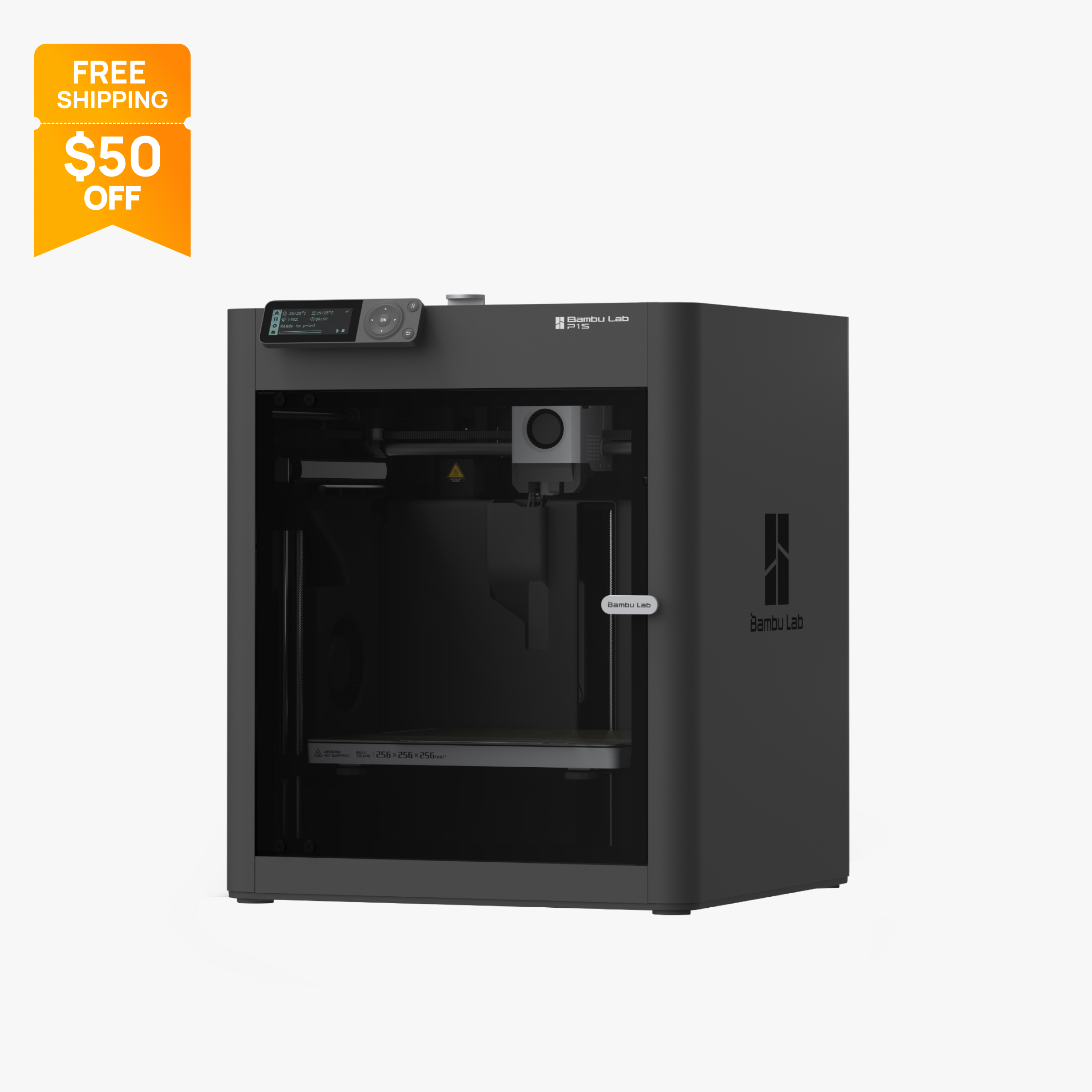
Enclosed 256 mm CoreXY printer with carbon filter, 20,000 mm/s² acceleration and AMS support.
$349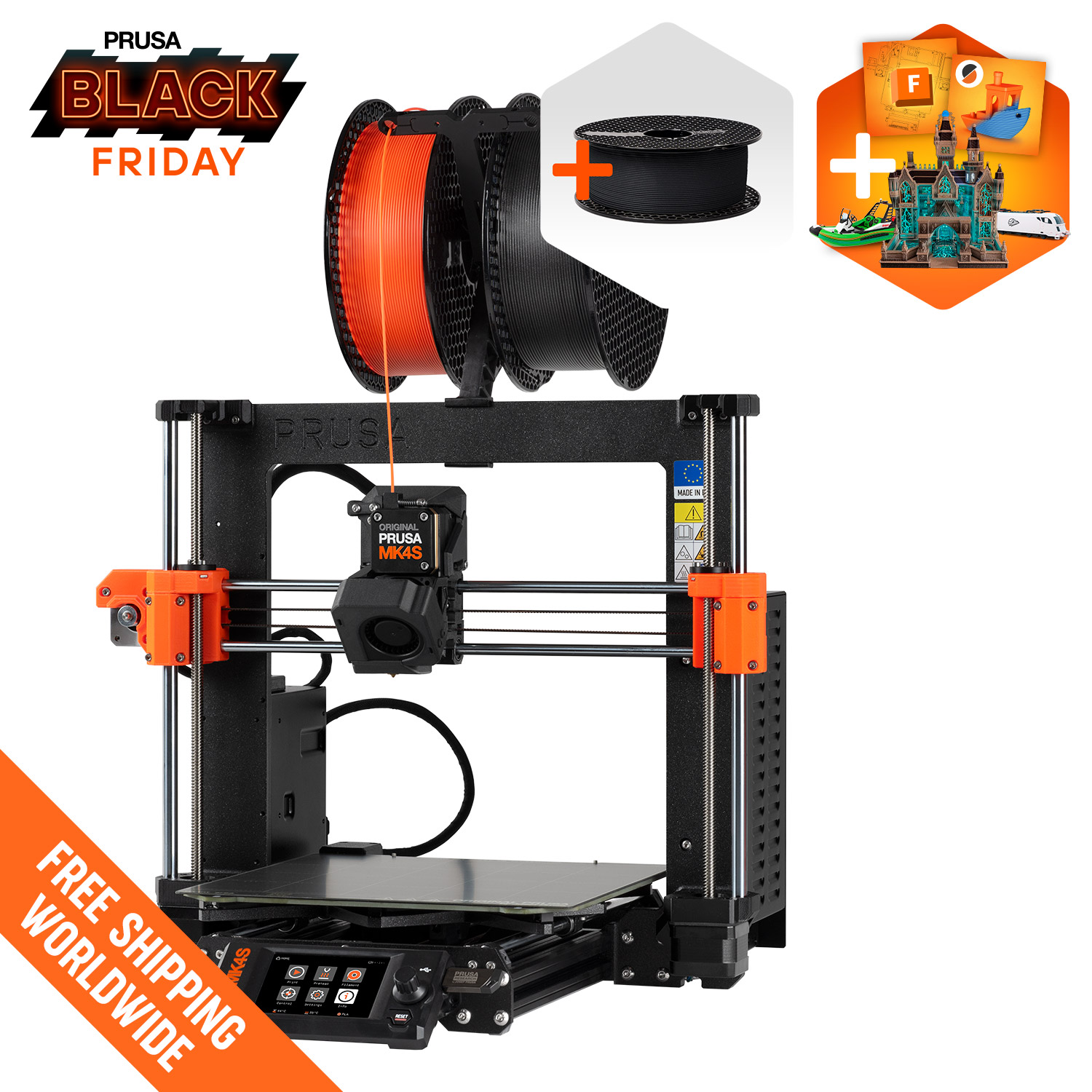
Open-frame Prusa bedslinger with a 250 x 210 x 220 mm build, load-cell sensing and optional MMU3
$925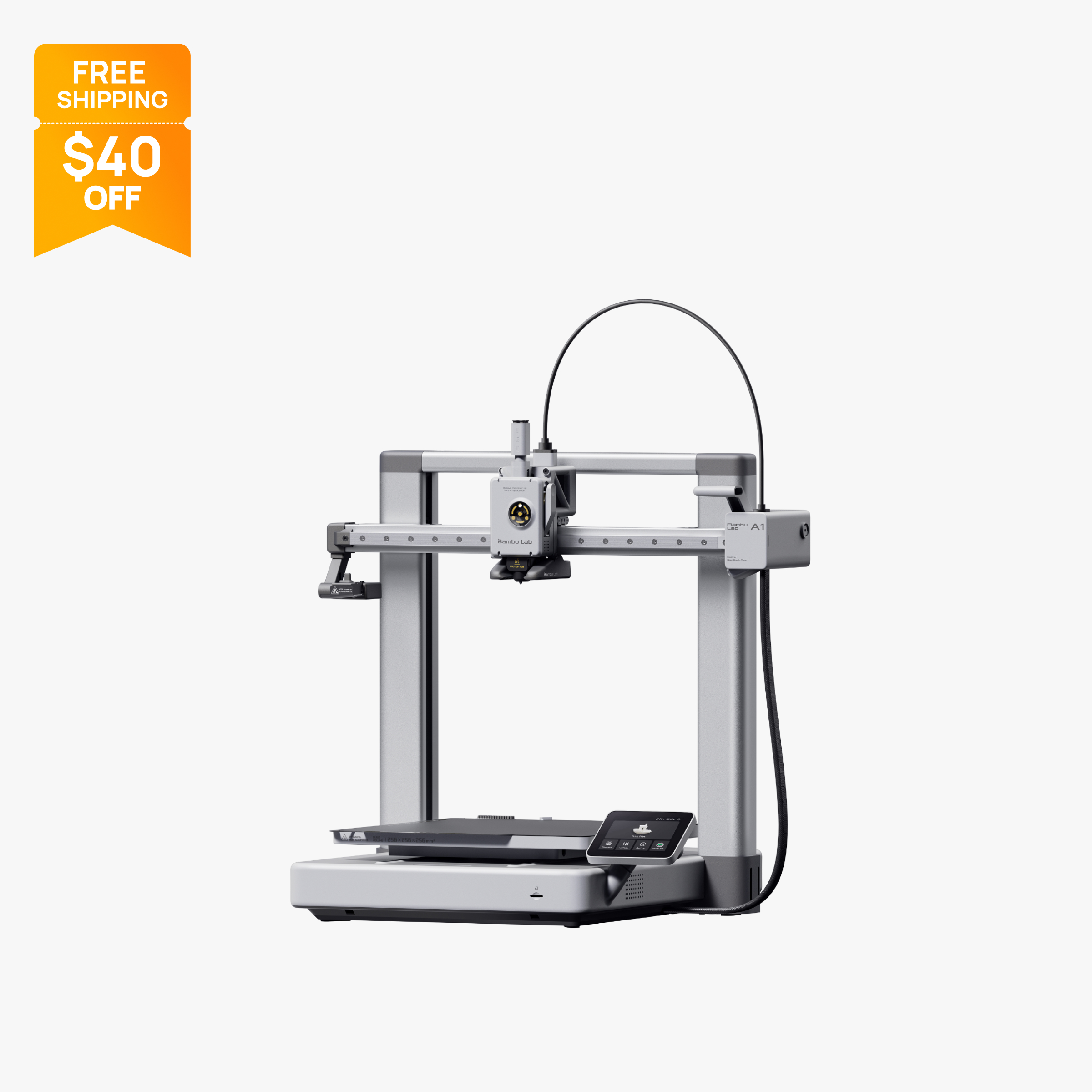
Open-frame 256 mm bed slinger with full auto calibration and optional 4-color AMS Lite.
$259
350 mm enclosed CoreXY printer with a 60 C heated chamber, 350 C nozzle and optional CFS for up to 16 colors.
$999
Professional MSLA resin printer with 50 µm pixels, a 200 x 125 x 210 mm build and up to 100 mm/hour
$2,625
10 in 12K resin printer with a 218.88 x 122.88 x 220 mm build volume, tilt release and 150 mm/h speed.
$593.99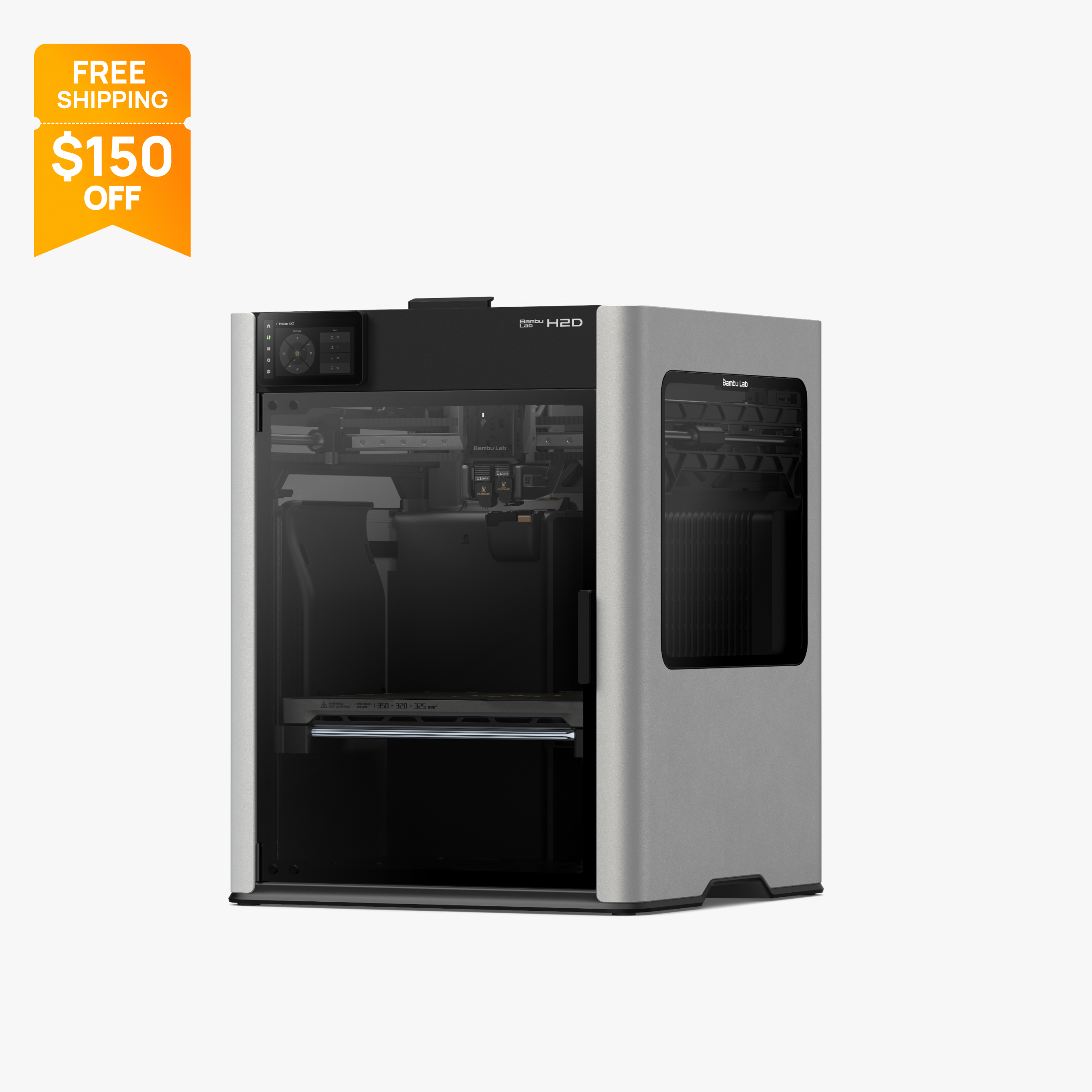
Large-format dual-nozzle printer with 350 °C hot ends, 65 °C heated chamber and optional laser module.
$1,399
Comparison table
| Spec | Bambu Lab P1S | Prusa MK4S | Bambu Lab A1 | Creality K2 Plus | Formlabs Form 4 | Elegoo Saturn 4 Ultra | Bambu Lab H2D |
|---|---|---|---|---|---|---|---|
| Type | FDM | FDM | FDM | FDM | resin | resin | FDM |
| Price | $349 | $925 | $259 | $999 | $2,625 | $593.99 | $1,399 |
| Build volume | 256×256×256 mm | 250×210×220 mm | 256×256×256 mm | 350×350×350 mm | 200×125×210 mm | 219×123×220 mm | 325×320×325 mm |
| Max speed | 500 mm/s | 200 mm/s | 500 mm/s | 600 mm/s | Not listed | Not listed | 1000 mm/s |
| Multicolor | Yes (AMS or AMS 2 Pro (optional, up to 16 colors with 4 units)) | Yes (MMU3 (optional, up to 5 colors/materials)) | Yes (AMS Lite (optional, one unit, up to 4 colors)) | Yes (CFS (optional; Combo includes 1 CFS for 4 colors, up to 4 CFS for 16 colors)) | No | No | Yes (Dual nozzle; AMS 2 Pro / AMS HT optional (AMS 2 Pro included only in the AMS Combo)) |
| Enclosed | Yes | No | No | Yes | Yes | Yes | Yes |
| Auto bed leveling | Yes | Yes | Yes | Yes | No | Yes | Yes |
| Connectivity | Wi-Fi, Bluetooth, Bambu-Bus, microSD | Wi-Fi (ESP module included), Ethernet, USB drive, NFC, Prusa Connect | Wi-Fi, Bambu-Bus, microSD | Wi-Fi (2.4 and 5 GHz), Ethernet, USB drive, Creality Cloud | Wi-Fi (2.4/5 GHz), Ethernet, USB-C | Wi-Fi | Dual-band Wi-Fi, USB |
| Noise | 48 dB | Not listed | 49 dB | Not listed | Not listed | 45 dB | Not listed |
| Release year | 2023 | 2024 | 2023 | 2024 | 2024 | 2024 | 2025 |
How we chose
A printer that earns money has different priorities from a hobby machine. We ranked these picks on criteria you can check in published specs and official documentation: remote monitoring and fleet software from the maker, material range (nozzle and bed temperatures, enclosure, multicolor), build volume, price per machine, and support or spare parts where the maker documents them. We included two resin printers for businesses that sell small, detailed parts. Picks are based on manufacturer specifications and official prices, not lab tests, and we do not measure uptime or reliability. Prices are at the time of writing (October 2026) and change often. Read more about how we work on our About Us page.
The picks
1. Bambu Lab P1S: best overall for small business and print farms
The Bambu Lab P1S combines a low price per machine with an enclosure and maker-supplied fleet software. It is $349 on Bambu's US store at the time of writing (October 2026), down from a regular $399. The 256 x 256 x 256 mm enclosed CoreXY build, 300 °C nozzle and activated carbon filter cover PLA, PETG, ABS and ASA, and up to four AMS units allow 16 colors or materials. The P1S AMS Combo is $479.
For fleets, Bambu's wiki lists the P1S as compatible with Bambu Farm Manager, a server and client suite for managing multiple printers. Bambu describes live monitoring, group actions, firmware updates, job scheduling and multiple simultaneous users, with print data sent to printers only within your local network.
Who it suits: product sellers, Etsy shops and prototyping services that want to add identical machines as orders grow. The price of one H2D buys four P1S printers. The tradeoffs: no active chamber heating, a small 2.7-inch screen, and the chamber camera records at only 0.5 fps. Carbon and glass fiber filaments need a hardened nozzle and extruder upgrade. Compare it with Prusa's enclosed printer in Prusa CORE One vs Bambu Lab P1S.
2. Prusa MK4S: best for repairability and documented parts
The Prusa MK4S is $925 assembled or $657.40 as a kit on Prusa's US store at the time of writing (October 2026). It costs more per machine than a P1S, but Prusa's business case is long-term serviceability: open firmware, PrusaSlicer, printable spare parts, an optional MMU3 for up to five materials, and a conversion kit to the enclosed CORE One.
For fleets, Prusa Connect is free for Prusa printer owners, with 1 GB of cloud storage, and Prusa says it supports control of entire print farms while tracking each printer separately, with production statistics. PrusaLink offers local-only monitoring and control. Prusa asks larger-scale or business users to contact it. Wi-Fi, Ethernet, USB and NFC are all included.
The printer has a 250 x 210 x 220 mm build volume, a 290 °C hotend, a 120 °C bed and load-cell bed probing.
Who it suits: businesses that want to repair and maintain their own machines rather than replace them. The tradeoffs: no enclosure in the base package, so ABS and ASA are hard to print well; no published top speed; and the bedslinger design limits speed compared with CoreXY machines.
3. Bambu Lab A1: best low-cost machine for a PLA print farm
The Bambu Lab A1 is $259 on Bambu's US store at the time of writing (October 2026), down from a regular $299, which makes it the lowest price per machine among our full-size picks. It has the same 256 x 256 x 256 mm build volume as the P1S, a 300 °C nozzle and, according to Bambu, automatic Z-offset, bed leveling, vibration and nozzle pressure calibration before every print. It is also on the Bambu Farm Manager compatibility list.
Bambu lists noise as low as 49 dB, and the printer includes run-out and tangle detection, filament odometry, power loss recovery and a camera. The optional AMS Lite adds four colors; the A1 Combo with it is $359.
Who it suits: businesses that sell PLA and PETG products, such as planters, organizers, signs and toys, and want to scale by adding cheap, identical printers. The tradeoffs: the open frame means Bambu lists ABS, ASA, PC and PA as not recommended. As a bed slinger, each unit needs extra front-to-back clearance, which matters on crowded shelves. Only one AMS Lite is supported. For the enclosed upgrade, see Bambu Lab A1 vs P1S.
4. Creality K2 Plus: best for large parts and engineering materials
The Creality K2 Plus is $999 without CFS on Creality's US store at the time of writing (October 2026), and the Combo with one four-color CFS is $1,199. It offers a 350 x 350 x 350 mm enclosed build volume, active chamber heating to 60 °C, a 350 °C hardened steel nozzle and a 120 °C bed, which opens up ABS, ASA, PPS, PA-CF and PPA-CF. Creality rates it at 600 mm/s and 30,000 mm/s².
For a workshop, the connectivity is strong: dual-band Wi-Fi, Ethernet, 32 GB of storage, a 1080p chamber camera, and Creality Cloud. Up to four CFS units support 16 colors.
Who it suits: businesses making large housings, fixtures, jigs or props, or customers who need engineering materials. The tradeoffs: it weighs 35 kg per Creality, Tom's Hardware heat-soaked the bed for 15 minutes before printing, and it measured more purge waste than a Bambu Lab P1P on the same multicolor model. At this price, you could run two or more P1S printers instead if your parts fit in 256 mm.
5. Formlabs Form 4: best professional resin printer
The Formlabs Form 4 is the most business-focused printer here. The Form 4 Basic Package (printer, resin tank, mixer, build platform and finish kit) is $2,625 on the Formlabs store at the time of writing (October 2026), excluding sales tax. The Complete Package is $5,461 and the Premium Package is $8,123.
It uses 50 µm pixels with ±0.15% XY tolerance and a 200 x 125 x 210 mm build volume, and Formlabs says most prints finish in under two hours. Open Material Mode allows third-party resins alongside Formlabs' own materials. For fleets, it offers dual-band Wi-Fi, gigabit Ethernet, a 5 MP camera and Formlabs Dashboard for remote monitoring. Formlabs also lists service plans on its site.
Who it suits: product designers, engineering firms, dental and jewelry businesses and anyone selling small, precise parts. The tradeoffs: the Basic Package excludes wash and cure units, which most resin workflows need; resin and tanks are ongoing costs; resin needs gloves, ventilation and an 18 to 28 °C room; and biocompatible materials require the separate Form 4B.
6. Elegoo Saturn 4 Ultra: best budget resin printer for a small business
The Elegoo Saturn 4 Ultra is $593.99 on Elegoo's US store at the time of writing (October 2026), a fraction of the Form 4's price. It uses a 10-inch 12K mono LCD at 11520 x 5120 pixels for 19 x 24 µm XY detail, a 218.88 x 122.88 x 220 mm build volume, tilt release and up to 150 mm/h, with automatic leveling and a built-in AI camera for monitoring and time-lapses.
Who it suits: miniature sellers, tabletop studios and makers of small decorative products who want resin detail without a professional price tag. Its plate fits full batches of miniatures in a single run.
The tradeoffs: it lacks the Form 4's Dashboard fleet software and published tolerance figures. Camera features require enabling Chitu Manager, and Tom's Hardware found the camera only detects an empty plate above about 50 mm. Like all resin printers, it needs gloves, ventilation, washing and UV curing, and the 10-inch vat uses more resin per fill than compact printers. Elegoo also sells a Saturn 4 Ultra 16K at $649.99. For more resin options, see our best resin 3D printers.
7. Bambu Lab H2D: best for multi-material and mixed services
The Bambu Lab H2D is $1,399 for the base model and $1,599 for the H2D AMS Combo on Bambu's US store at the time of writing (October 2026). Its two 350 °C nozzles keep two materials loaded at once, which cuts purging when a print switches between them. It has a 325 x 320 x 325 mm single-nozzle build volume, a 65 °C heated chamber and filtration with a G3 pre-filter, an H12 HEPA filter and activated carbon. Optional 10 W or 40 W laser modules add engraving and cutting, which can broaden what a small shop sells.
Who it suits: studios that print engineering parts with soluble or breakaway supports, or that want printing and laser work from one machine. The tradeoffs: it costs about four times as much as a P1S, weighs 31 kg and draws up to 1320 W on 110 V circuits, which affects how many you can run on one circuit. The Bambu Farm Manager wiki page we checked did not list the H2D among compatible printers, so confirm current support before planning a fleet around it. See Bambu Lab H2D vs Creality K2 Plus.
What to look for in a 3D printer for business
Price per machine, not just per printer. Several mid-priced printers often beat one expensive printer for a product business, because you can run jobs in parallel and a single failure does not stop production. Expensive machines earn their place when parts need a large build volume, a heated chamber, two materials or resin precision.
Fleet and remote software. Check what the maker offers. Bambu Farm Manager supports the X1C, P1S, P1P, A1 and A1 mini, with local network control. Prusa Connect is free for Prusa owners and supports farm control with production statistics. Formlabs offers Dashboard for the Form 4. Creality lists Creality Cloud. Prefer printers with Ethernet if your workshop Wi-Fi is crowded.
Material range. Match the printer to what customers order. PLA and PETG products run fine on open-frame machines like the A1. ABS and ASA need an enclosure (P1S, K2 Plus, H2D). Nylon, polycarbonate and fiber-filled materials want higher nozzle temperatures, hardened nozzles and ideally a heated chamber.
Build volume. A larger plate lets you batch more parts per print, but bigger printers cost more and take more floor space.
Support and spare parts. Prusa documents printable spare parts and sells kits and conversion kits; Formlabs lists service plans. For any brand, check the official store for nozzles, build plates, filters and, for resin, release films and LCDs before you commit to a fleet.
Safety and ventilation. NIOSH notes that most filament printer emissions are nanoparticles and recommends ventilation, local exhaust or HEPA filtration, including enclosed ventilated racks that exhaust outdoors for multiple printers. NIOSH also suggests watching prints by camera and waiting a few minutes after a failure before approaching. Resin needs gloves and ventilation; Formlabs specifies an 18 to 28 °C room for the Form 4.
If you are still deciding between filament and resin for your products, read FDM vs resin 3D printers.
What changed this update
- The Bambu Lab X1 Carbon is no longer sold on Bambu's US store, so it has been removed; the P1S and H2D cover its role here.
- The Elegoo Centauri Carbon is no longer sold new; its successor is the Centauri Carbon 2.
- QIDI discontinued the Plus4 and Q1 Pro; their successors are the QIDI Plus5 and QIDI Q2.
- The Anycubic Kobra S1 Combo is sold out; Anycubic now sells the Kobra S1 ACE 2 Pro Combo.
Frequently asked questions
What is the best 3D printer for a small business?
For most product businesses it is the Bambu Lab P1S, at $349 per machine at the time of writing (October 2026). It is enclosed for ABS and ASA, has a 256 mm build volume and works with Bambu Farm Manager for fleets. For precise resin parts, the Formlabs Form 4 starts at $2,625 for the Basic Package.
What is the best 3D printer for a print farm?
Look for a low price per machine and maker fleet software. The Bambu Lab A1 ($259) and P1S ($349) are both on Bambu Farm Manager's compatibility list, and Prusa Connect supports farm control for Prusa printers such as the MK4S. Ethernet and built-in cameras also help.
Is one expensive printer better than several cheap ones for business?
For most small product businesses, several mid-priced printers give more output and less risk, because jobs run in parallel and one failure does not stop production. A single high-end printer makes sense when you need a large build, a heated chamber, two materials or resin precision.
Can a small business make money with a 3D printer?
Many small businesses use 3D printers for products, prototypes, replacement parts and custom orders. Profit depends on your product, pricing, material costs and printing time, so work out the cost per part, including failed prints and post-processing, before you scale.
Is a resin printer good for a small business?
Resin suits businesses selling small, detailed parts such as miniatures, jewelry patterns or dental models. The Elegoo Saturn 4 Ultra is $593.99 and the Formlabs Form 4 Basic Package is $2,625 at the time of writing (October 2026). Plan for washing, curing, gloves and ventilation.
Do business 3D printers need ventilation?
Yes. NIOSH recommends ventilation, local exhaust or HEPA filtration for printer emissions, and enclosed ventilated racks that exhaust outdoors for groups of printers. Resin printing also requires gloves and good ventilation.
Sources
- Bambu Lab P1S on the official US store (price, parameters, FAQ)
- Bambu Lab Wiki: Bambu Farm Manager
- Original Prusa MK4S assembled (official store)
- Prusa Knowledge Base: Prusa Connect and PrusaLink explained
- Bambu Lab A1 / A1 Combo on the official US store
- Bambu Lab A1 tech specs (official)
- Creality US store, K2 Plus (official)
- Creality US store, K2 Plus Combo (official)
- Tom's Hardware: Creality K2 Plus review
- Formlabs Form 4 product page (official)
- Formlabs Form 4 store page (official)
- Formlabs resin printer tech specs (official)
- Elegoo Saturn 4 Ultra 12K, US store product page (official)
- Bambu Lab H2D on the official US store (prices by configuration)
- NIOSH Science Blog: Characterizing 3D Printing Emissions and Controls in an Office Environment