Best 3D Printers for Cosplay (2026)
The Creality K1 Max is the best 3D printer for cosplay for most makers: a 300 mm enclosed build volume for helmets and armor, plus ABS and ASA support, for $549 at the time of writing. Bigger and cheaper options follow.
Updated October 28, 2026
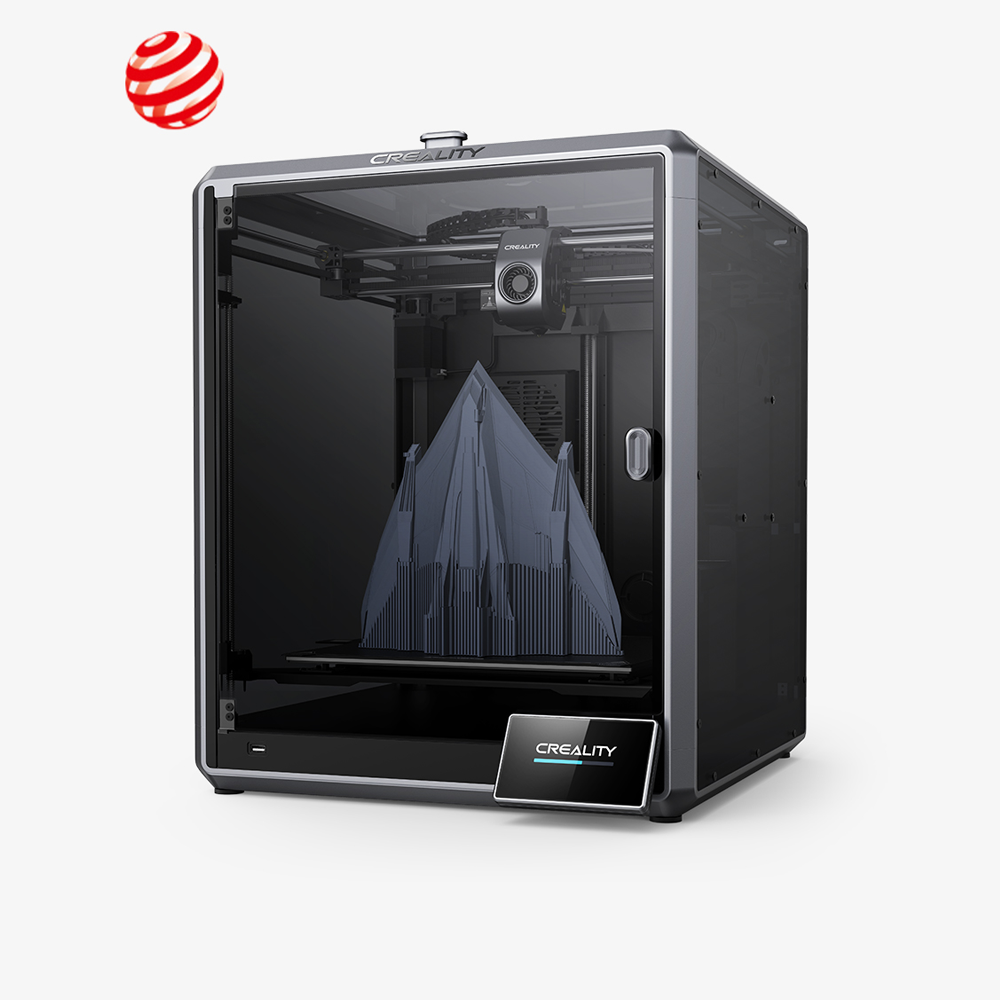
Enclosed 300 mm CoreXY printer rated at 600 mm/s, with an AI camera, LiDAR first-layer scanning and Ethernet.
$549
Large-format Klipper printer with a 420 x 420 x 480 mm build volume, 500 mm/s top speed and 300°C hotend.
$394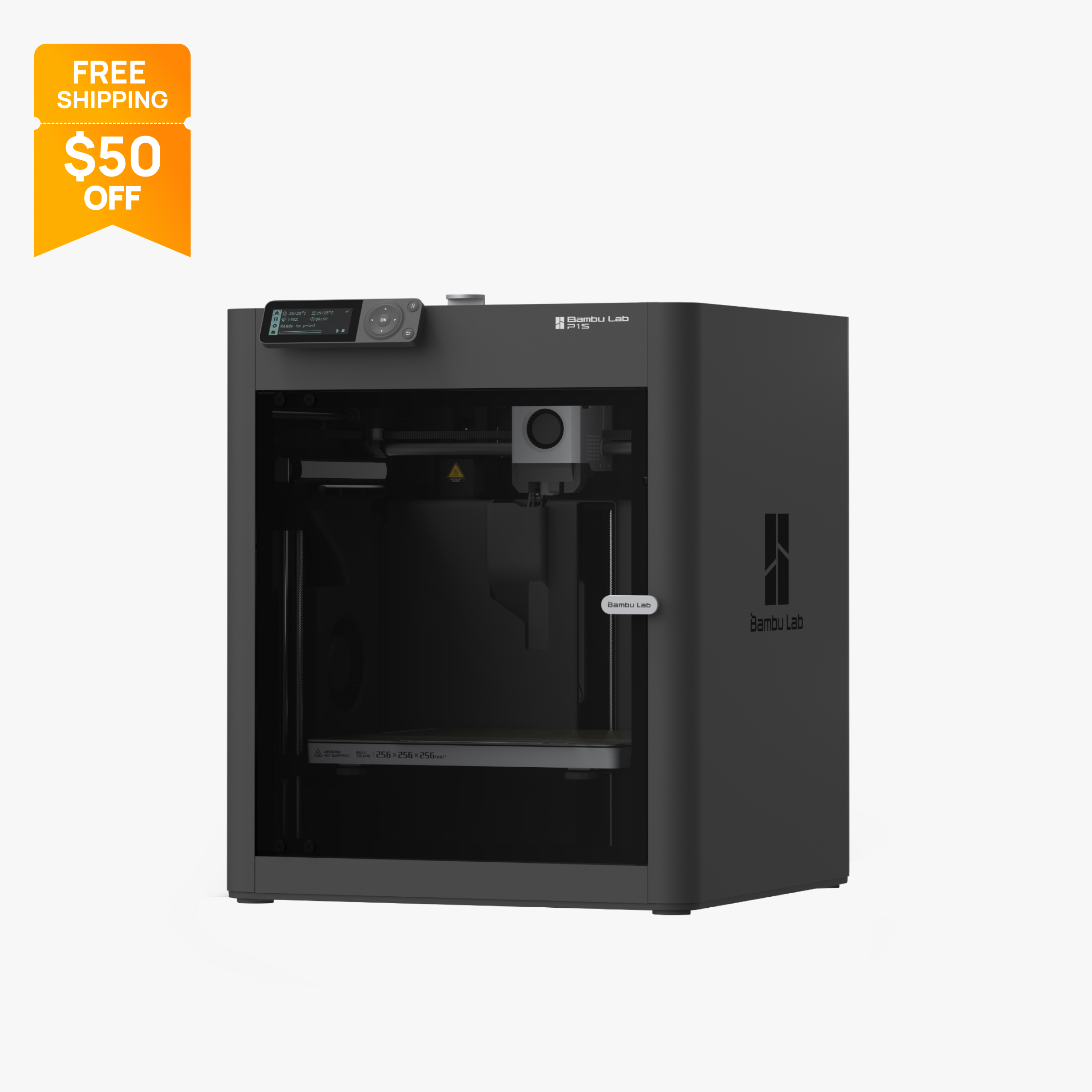
Enclosed 256 mm CoreXY printer with carbon filter, 20,000 mm/s² acceleration and AMS support.
$349
Open-source CoreXY with a 350 x 350 x 345 mm build, 700 mm/s top speed and quad gantry leveling
$529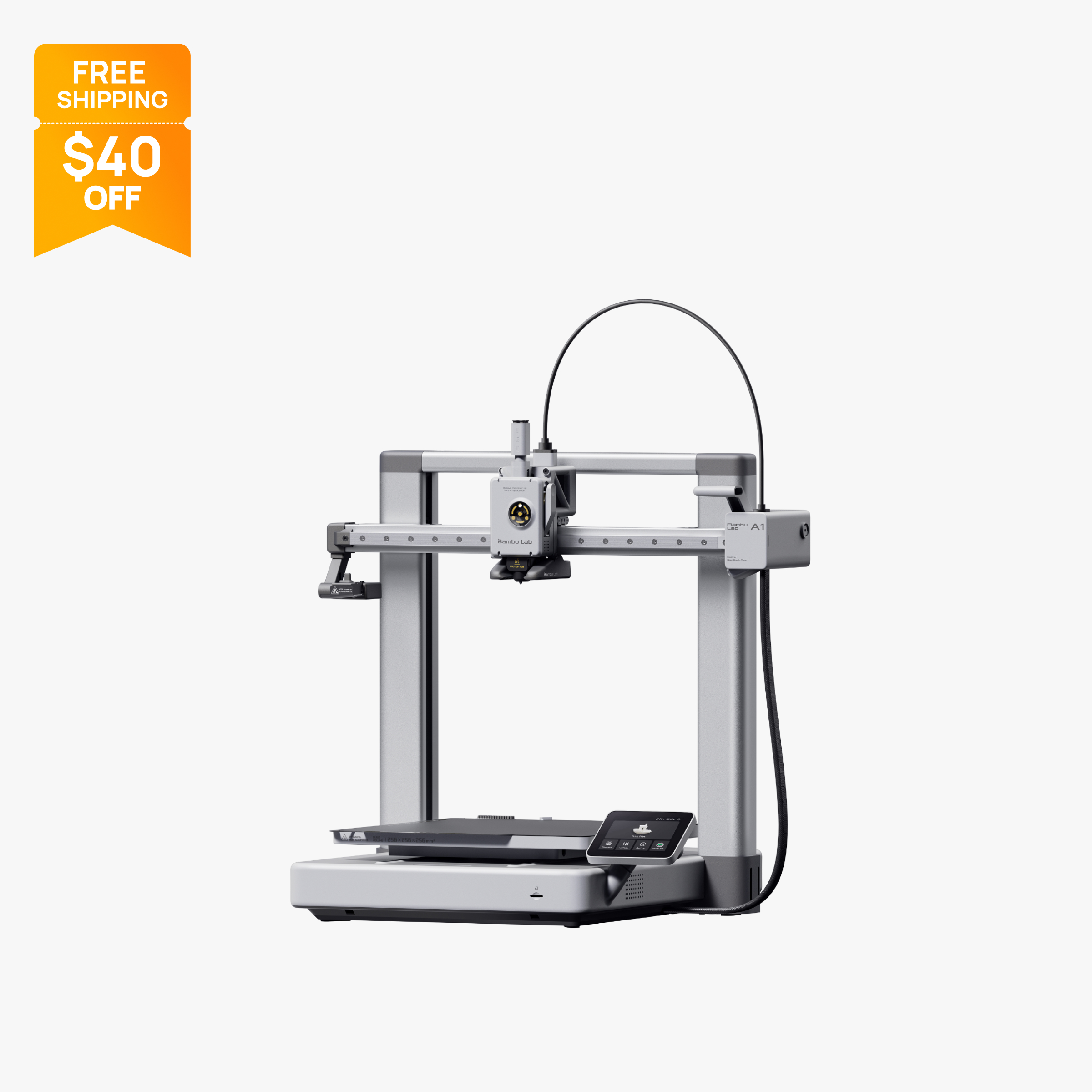
Open-frame 256 mm bed slinger with full auto calibration and optional 4-color AMS Lite.
$259
350 mm enclosed CoreXY printer with a 60 C heated chamber, 350 C nozzle and optional CFS for up to 16 colors.
$999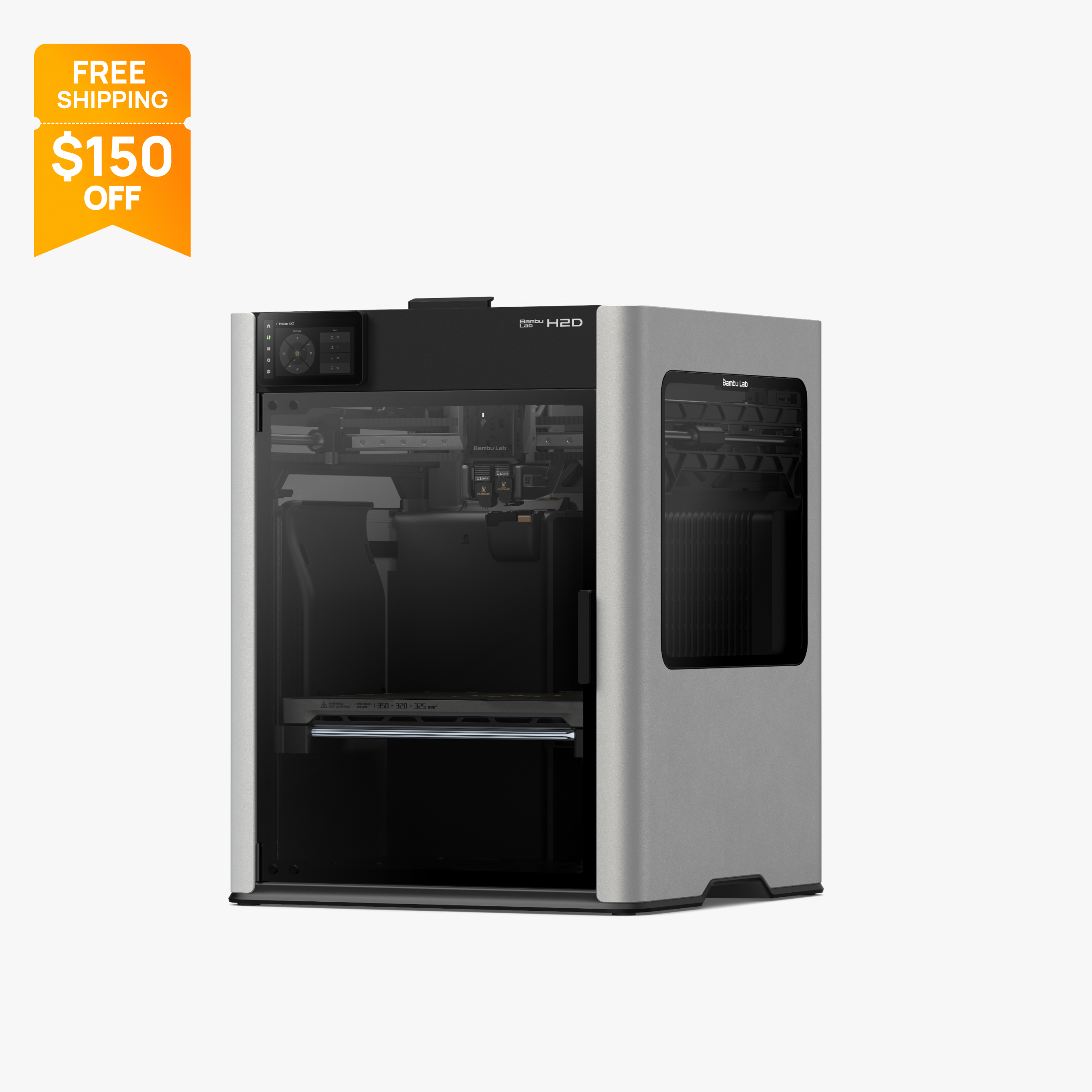
Large-format dual-nozzle printer with 350 °C hot ends, 65 °C heated chamber and optional laser module.
$1,399
Comparison table
| Spec | Creality K1 Max | Elegoo Neptune 4 Max | Bambu Lab P1S | Sovol SV08 | Bambu Lab A1 | Creality K2 Plus | Bambu Lab H2D |
|---|---|---|---|---|---|---|---|
| Type | FDM | FDM | FDM | FDM | FDM | FDM | FDM |
| Price | $549 | $394 | $349 | $529 | $259 | $999 | $1,399 |
| Build volume | 300×300×300 mm | 420×420×480 mm | 256×256×256 mm | 350×350×345 mm | 256×256×256 mm | 350×350×350 mm | 325×320×325 mm |
| Max speed | 600 mm/s | 500 mm/s | 500 mm/s | 700 mm/s | 500 mm/s | 600 mm/s | 1000 mm/s |
| Multicolor | No | No | Yes (AMS or AMS 2 Pro (optional, up to 16 colors with 4 units)) | No | Yes (AMS Lite (optional, one unit, up to 4 colors)) | Yes (CFS (optional; Combo includes 1 CFS for 4 colors, up to 4 CFS for 16 colors)) | Yes (Dual nozzle; AMS 2 Pro / AMS HT optional (AMS 2 Pro included only in the AMS Combo)) |
| Enclosed | Yes | No | Yes | No | No | Yes | Yes |
| Auto bed leveling | Yes | Yes | Yes | Yes | Yes | Yes | Yes |
| Connectivity | Wi-Fi, Ethernet, USB drive, Creality Cloud | Wi-Fi, WLAN, USB | Wi-Fi, Bluetooth, Bambu-Bus, microSD | Wi-Fi 2.4 GHz, Ethernet | Wi-Fi, Bambu-Bus, microSD | Wi-Fi (2.4 and 5 GHz), Ethernet, USB drive, Creality Cloud | Dual-band Wi-Fi, USB |
| Noise | Not listed | Not listed | 48 dB | Not listed | 49 dB | Not listed | Not listed |
| Release year | 2023 | 2023 | 2023 | 2024 | 2023 | 2024 | 2025 |
How we chose
Cosplay printing is mostly about size. Helmets, gauntlets, chest plates and prop weapons are large, and every split you have to make means more gluing, sanding and filling. So we ranked these printers first on build volume, then on material range (PLA and PETG for most parts, ABS and ASA for armor that needs more heat resistance, TPU for flexible straps and details), then on price at the time of writing (October 2026). Material range is judged from each maker's published temperatures, material lists and whether the printer is enclosed. Every pick is based on manufacturer specs and official store prices, not lab tests. You can read more about how we work on our About Us page.
The picks
1. Creality K1 Max: best 3D printer for cosplay overall
The Creality K1 Max is an enclosed CoreXY printer with a 300 x 300 x 300 mm build volume, roughly 2.2 times the bed area of a 220 mm printer. That is enough for many full helmets and large armor panels in one piece. The enclosure holds heat from the bed, which helps with ABS and ASA, and the 300 C hotend ships with a hardened steel nozzle, so abrasive filled filaments are an option too. The bed reaches 100 C.
For long cosplay prints, the automation matters. The K1 Max levels itself with strain sensors in the bed, uses an AI LiDAR sensor to scan the first layer and pause on problems, and has an AI camera for failure detection and timelapse. Creality lists speeds up to 600 mm/s and a typical speed of 300 mm/s, with Wi-Fi and Ethernet for sending large files.
The tradeoffs: the chamber is not actively heated, there is no multicolor system, and a 300 mm enclosed machine needs a sturdy table. Creality's K2 Pro and K2 Plus add active chamber heating for more demanding materials.
At the time of writing (October 2026), Creality's US store lists the K1 Max 2025 at $549 on sale (regular $899). See the Creality K1 Max specs.
2. Elegoo Neptune 4 Max: best for big one-piece armor on a budget
The Elegoo Neptune 4 Max has the largest build volume on this page at 420 x 420 x 480 mm. Elegoo pitches it directly at helmets, cosplay armor, large enclosures and tall props, and that much space means fewer seams on chest plates, shields and long weapons. It runs Klipper firmware with input shaping and pressure advance, uses 121-point automatic mesh leveling, and its 300°C hotend with a direct drive extruder covers TPU and nylon-class materials as well as PLA and PETG.
It suits prop makers who want maximum size for the money and mostly print PLA or PETG. The tradeoffs are space and materials. It is an open-frame bed slinger, so the bed travels front to back and needs clearance well beyond the frame, plus a sturdy surface. Large ABS and ASA parts are hard to print well without an enclosure, so budget for a third-party enclosure if you need them. Elegoo's 500 mm/s figure is a maximum, with a default of 250 mm/s, and Elegoo's global product page lists a maximum bed temperature of only 85 °C, which is low for ABS and ASA.
At the time of writing (October 2026), Elegoo's US store lists the Type-C Version at $394 on sale (regular $559.99). See the Elegoo Neptune 4 Max specs and our best large-format 3D printers.
3. Bambu Lab P1S: best value enclosed printer for props
The Bambu Lab P1S has a 256 x 256 x 256 mm build volume inside a plastic and glass enclosure with an activated carbon filter. Bambu lists PLA, PETG, TPU, ABS and ASA among its ideal materials, which covers almost every cosplay need: PLA for quick test pieces, PETG for tougher parts, ABS or ASA for armor that has to survive a hot car or a summer convention, and TPU for flexible straps and trim. The CoreXY motion with 20,000 mm/s² acceleration keeps large prints moving.
It suits cosplayers who want one reliable all-rounder and might add color later: an AMS unit gives up to 16 colors with four units, useful for emblems and small detailed parts. The tradeoffs: 256 mm is smaller than the K1 Max, so larger helmets may need splitting, and Bambu notes that Bambu Studio limits printable height to 250 mm by default to protect the heatbed. The enclosure is passive, and the stock nozzle is stainless steel, so carbon fiber filaments need an upgrade.
At the time of writing (October 2026), Bambu's US store lists the P1S at $349 on sale (regular $399). See the Bambu Lab P1S specs.
4. Sovol SV08: best large CoreXY for tinkerers
The Sovol SV08 is an open-frame CoreXY printer with a 350 x 350 x 345 mm build volume, quad gantry leveling and published speeds up to 700 mm/s with 40,000 mm/s² acceleration. For cosplay, the large square bed is the draw: full-size helmets, big shoulder pieces and long sword blades fit with fewer splits. It ships about 90% pre-assembled, runs open-source firmware, and adds a 5 in touchscreen, a built-in camera, Ethernet and 2.4 GHz Wi-Fi.
It suits makers who like to tinker and want a big bed at a moderate price. The tradeoffs: the base SV08 is open frame, so ABS and ASA are hard without one of Sovol's separately sold enclosures, and bundles with the enclosure list a reduced 330 mm build height. The nozzle tops out at 300 °C, there is no multicolor system, and the Wi-Fi supports only WPA2 on 2.4 GHz. Sovol lists the printer at about 550 x 537 x 575 mm with the screen and spool holder, so plan space.
At the time of writing (October 2026), Sovol's US store lists the base SV08 at $529 on sale (regular $599). See the Sovol SV08 specs.
5. Bambu Lab A1: best budget cosplay printer
The Bambu Lab A1 is the cheapest full-size pick here. Its 256 x 256 x 256 mm build volume is, according to Bambu, large enough for a full-size helmet in one piece, and it calibrates bed level, Z-offset, vibration and nozzle pressure automatically for every job. Bambu positions it for PLA, PETG and TPU, which covers most foam-alternative armor, prop shells and flexible details.
It suits first-time cosplay makers who print PLA and PETG and want to spend less. The A1 Combo adds the AMS Lite for four-color printing of badges and emblems. The tradeoffs: the A1 is open frame, Bambu lists ABS and ASA as not recommended, and it advises against enclosing the A1, so heat-resistant armor is better printed on an enclosed printer. Bambu's store also notes a January 2024 heatbed cable recall and says units sold after January 30, 2024 are not affected.
At the time of writing (October 2026), the A1 is $259 on Bambu's US store (regular $299), and the A1 Combo is $359. See the Bambu Lab A1 specs or our A1 vs P1S comparison.
6. Creality K2 Plus: best large enclosed printer with color
The Creality K2 Plus combines a 350 x 350 x 350 mm build volume with an actively heated chamber up to 60 C, a hardened steel nozzle up to 350 C and a 120 C bed. Creality lists PLA, PETG, PET, ABS, ASA and carbon fiber blends, and says ABS and ASA need a 60 C chamber. For cosplay, that means large armor in heat-resistant materials with less risk of warping, and the optional CFS adds up to 16 colors with four units.
It suits serious costume builders and small prop businesses. The tradeoffs: it weighs 35 kg, it costs far more than the picks above, and Tom's Hardware's review reported that TPU jammed in the CFS tubing and printed from an external spool instead.
At the time of writing (October 2026), Creality's US store lists the K2 Plus without CFS at $999 (regular $1,299) and the Combo with one CFS at $1,199. See the Creality K2 Plus specs.
7. Bambu Lab H2D: best premium printer for prop builders
The Bambu Lab H2D is an enclosed dual-nozzle printer with a 325 x 320 x 325 mm single-nozzle build volume, active chamber heating to 65 °C, a 120 °C bed and hardened steel nozzles up to 350 °C. Bambu lists PLA, PETG, TPU, ABS, ASA, PC and PA among many supported materials. Two nozzles let it combine two materials, such as a rigid shell with a dedicated support material, with far less purging than a single-nozzle printer, and Bambu sells laser and cutting modules for engraving and cutting craft materials.
It suits prop businesses and makers who also want a laser or cutter in the same machine. The tradeoffs are size (31 kg, 626 mm tall), a 1320 W maximum draw at 110 V, and cost. The base model has no AMS.
At the time of writing (October 2026), the base H2D is $1,399 on Bambu's US store (regular $1,549), and the H2D AMS Combo is $1,599. See the Bambu Lab H2D specs or our H2D vs K2 Plus comparison.
What to look for in a 3D printer for cosplay
Build volume first. Measure the largest piece you plan to make. A 256 mm cube handles a full-size helmet according to Bambu, while 300 to 420 mm beds reduce the number of seams on chest plates, shields and long props. Remember that you can split any model and glue it, so a smaller printer is not a dead end, just more finishing work.
Match materials to the costume. PLA is the easiest and suits most props and armor that stays out of the heat. PETG is tougher. ABS and ASA resist heat better, but they warp and crack in drafts, which is why makers such as Bambu list them as not recommended on open-frame printers. If you want them, choose an enclosed printer. TPU is useful for straps, gaskets and flexible trim, and a direct drive extruder helps.
Use bigger nozzles for big parts. Bambu describes 0.6 and 0.8 mm nozzles as faster and suited to large structural parts, with some loss of resolution. Swapping to a larger nozzle is often a better way to speed up big armor than chasing top speed figures, since large solid parts are limited by flow.
Plan for space and weight. Large printers are heavy and need a sturdy bench. Bed slingers such as the Neptune 4 Max need extra depth for the moving bed.
Consider resin only for small details. A resin printer is not a substitute for a large FDM printer, but some cosplayers add one for small, highly detailed parts such as badges, jewelry and sculpted faces. See our best resin 3D printers for that.
What changed this update
The QIDI Plus4 has been discontinued and replaced by the QIDI Plus5, Bambu ended production and active sales of the X1 Carbon (Bambu now sells newer models such as the X2D), and the Anycubic Kobra 3 Combo is sold out on Anycubic's store, which points buyers to the Kobra 4 Combo. Elegoo's original Centauri Carbon has been replaced by the Centauri Carbon 2. For more big-bed options, see our best large-format 3D printers.
Frequently asked questions
What is the best 3D printer for cosplay?
The Creality K1 Max is our top pick because its 300 mm enclosed build volume fits many full helmets and large armor pieces, and the enclosure helps with ABS and ASA. At the time of writing (October 2026) it is $549 on Creality's US store. For the biggest bed on a budget, the Elegoo Neptune 4 Max offers 420 x 420 x 480 mm.
What build volume do I need for a cosplay helmet?
Bambu says its 256 x 256 x 256 mm A1 is large enough for a full-size helmet in one piece. Larger helmets, or helmets with flared details, benefit from a 300 mm or larger bed. You can always split a helmet into parts and glue them.
What filament is best for cosplay armor?
PLA is the easiest and works for most props. PETG is tougher, while ABS and ASA handle heat better and suit armor worn in warm conditions, but they print best on an enclosed printer. TPU is useful for flexible straps and trim.
Can a cheap 3D printer make cosplay props?
Yes. The Bambu Lab A1 costs $259 at the time of writing (October 2026) and has a 256 mm build volume, which handles many helmets and props in PLA or PETG. The main limits are ABS and ASA, which Bambu does not recommend on the open-frame A1.
Is resin or FDM better for cosplay?
FDM is better for most cosplay because it prints large parts like helmets and armor at a lower material cost. Resin printers have small build volumes but produce very fine detail, so some makers use them for badges, jewelry and small sculpted parts.
Do I need an enclosed 3D printer for cosplay?
Not if you print PLA, PETG or TPU, which work on open-frame printers. An enclosure helps a lot with ABS and ASA, which can warp or crack in drafts on large parts. Enclosed options here include the K1 Max, P1S, K2 Plus and H2D.
Sources
- Creality US store, K1 Max 2025 (official)
- Creality K1 Max support and parameters (official)
- Elegoo Neptune 4 Max, US store product page (official)
- Bambu Lab P1S on the official US store (price, parameters, FAQ)
- Sovol SV08 product page (official store)
- Bambu Lab A1 on the official US store (price, specs, FAQ, recall note)
- Bambu Lab A1 tech specs (official)
- Creality US store, K2 Plus (official)
- Creality K2 Plus CFS Combo support and specifications (official)
- Tom's Hardware: Creality K2 Plus review
- Bambu Lab H2D technical specifications (official)
- Bambu Lab H2D on the official US store (prices by configuration)
- Bambu Hotend for A1 series, nozzle size guidance (official US store)
- QIDI Plus4 product page (official, discontinued notice)
- Elegoo Neptune 4 Max, global product page (official, specs)