Best Multicolor 3D Printers (2026)
The Bambu Lab A1 Combo is the best multicolor 3D printer for most people: a four-color AMS Lite is included for $359. Want to expand past four colors or print ABS? The enclosed Bambu Lab P1S supports up to 16.
Updated October 28, 2026
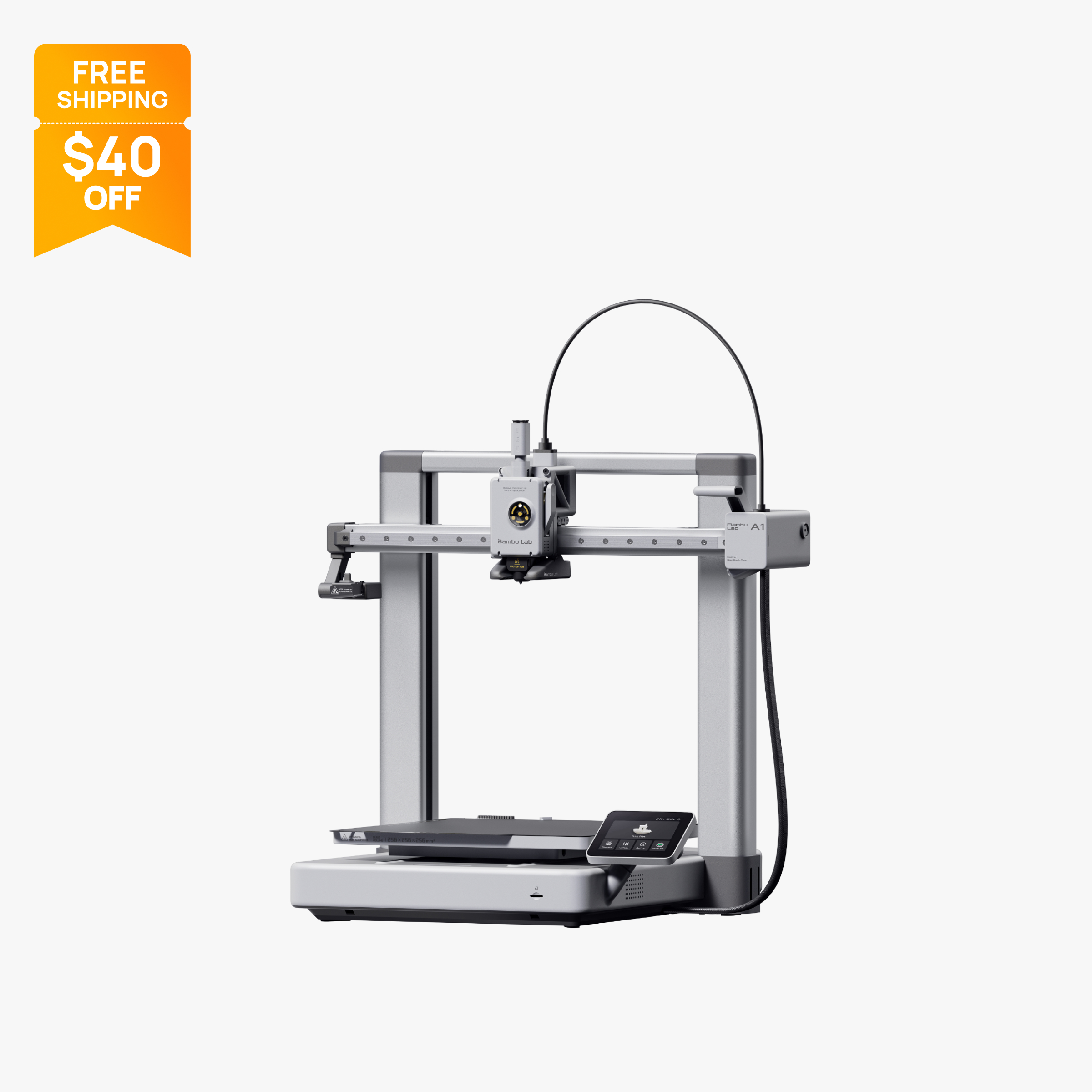
The A1 bundled with AMS Lite: 256 mm build volume and up to 4-color printing out of the box.
$359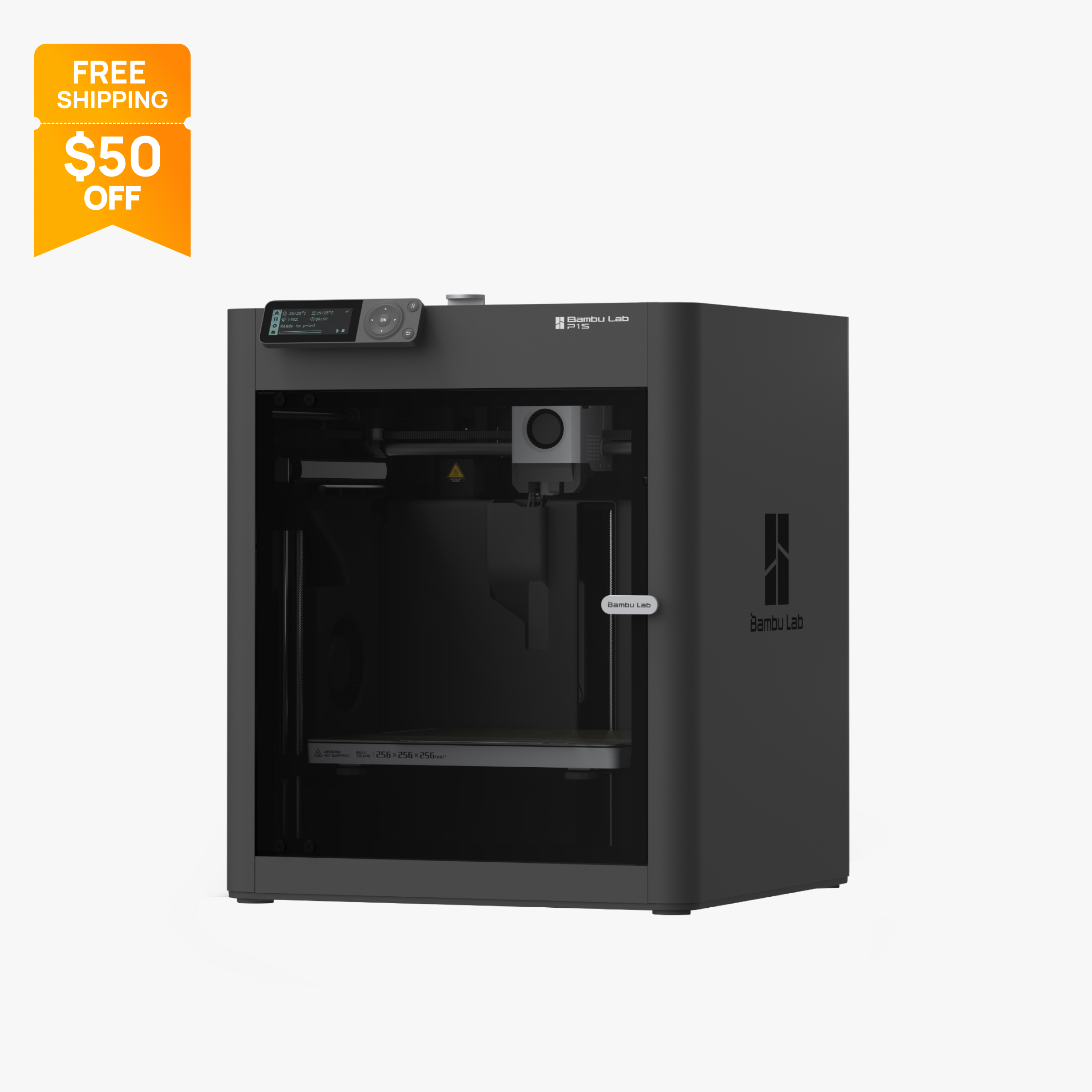
Enclosed 256 mm CoreXY printer with carbon filter, 20,000 mm/s² acceleration and AMS support.
$349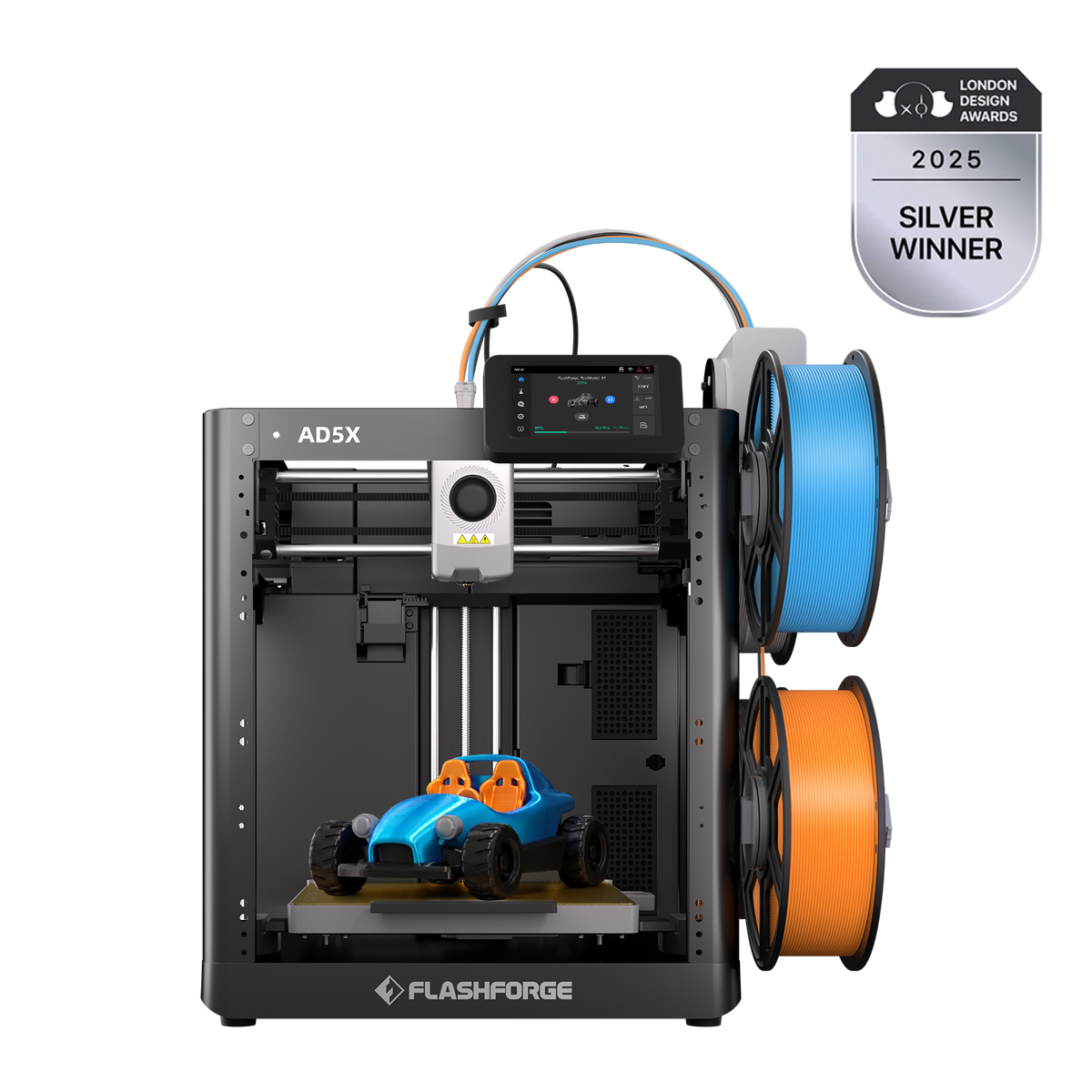
Open-frame 220 mm cube printer with a built-in 4-color IFS system, 300°C hotend and Wi-Fi
$349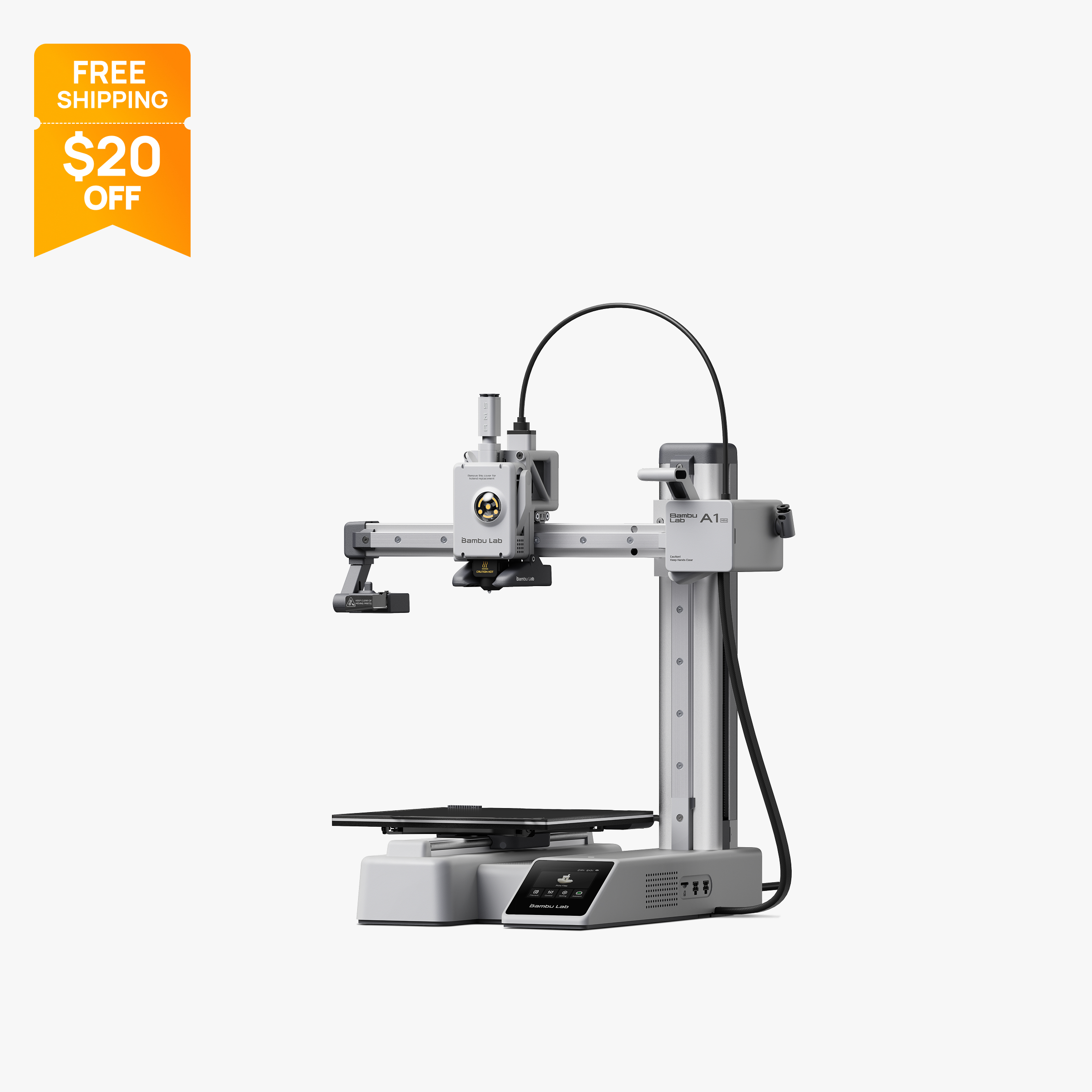
Compact 180 mm open-frame printer with 500 mm/s motion, 300 °C hot end and optional AMS Lite.
$199
350 mm enclosed CoreXY printer with a 60 C heated chamber, 350 C nozzle and optional CFS for up to 16 colors.
$999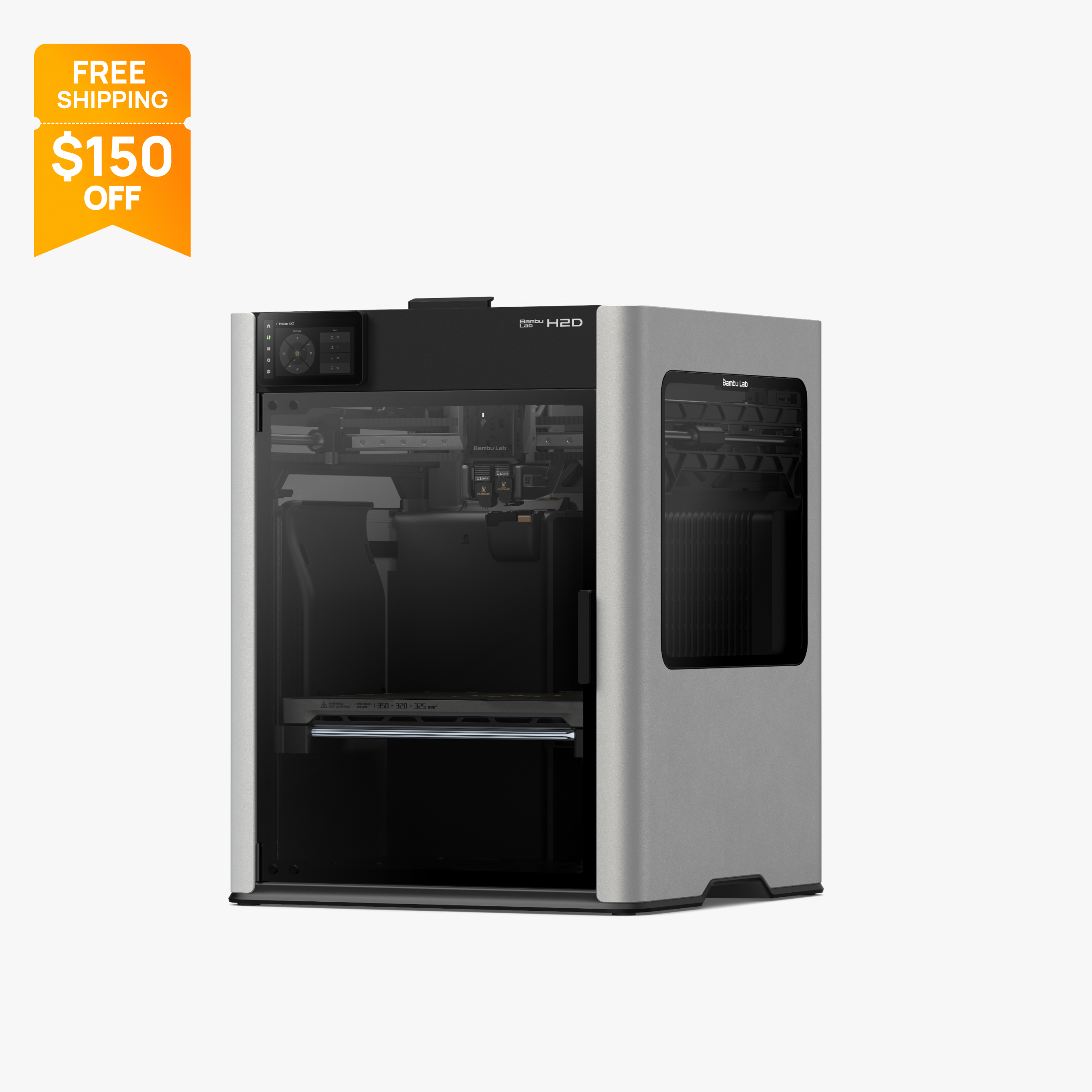
Large-format dual-nozzle printer with 350 °C hot ends, 65 °C heated chamber and optional laser module.
$1,399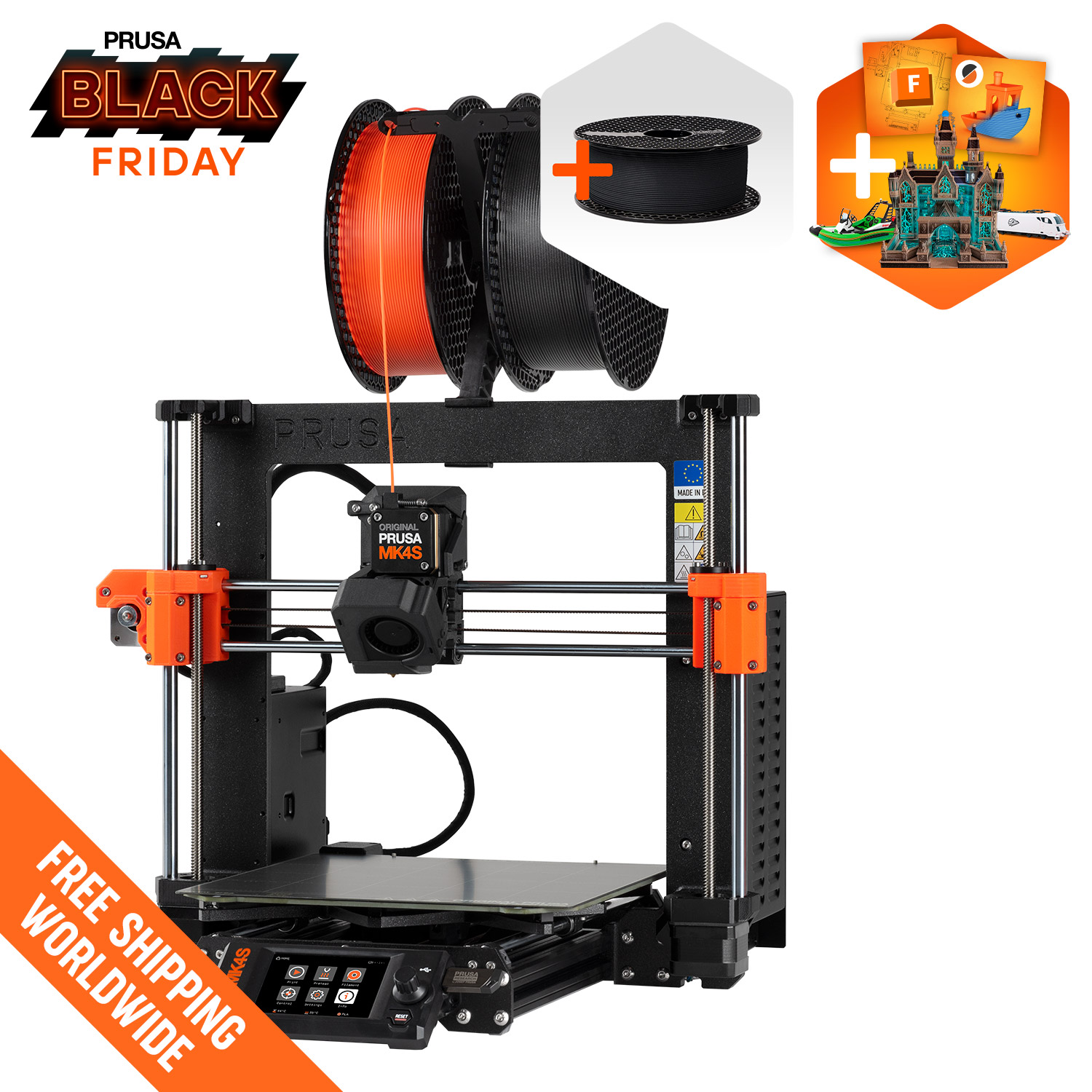
Open-frame Prusa bedslinger with a 250 x 210 x 220 mm build, load-cell sensing and optional MMU3
$925
Comparison table
| Spec | Bambu Lab A1 Combo | Bambu Lab P1S | Flashforge AD5X | Bambu Lab A1 Mini | Creality K2 Plus | Bambu Lab H2D | Prusa MK4S |
|---|---|---|---|---|---|---|---|
| Type | FDM | FDM | FDM | FDM | FDM | FDM | FDM |
| Price | $359 | $349 | $349 | $199 | $999 | $1,399 | $925 |
| Build volume | 256×256×256 mm | 256×256×256 mm | 220×220×220 mm | 180×180×180 mm | 350×350×350 mm | 325×320×325 mm | 250×210×220 mm |
| Max speed | 500 mm/s | 500 mm/s | 300 mm/s | 500 mm/s | 600 mm/s | 1000 mm/s | 200 mm/s |
| Multicolor | Yes (AMS Lite (included, one unit, up to 4 colors)) | Yes (AMS or AMS 2 Pro (optional, up to 16 colors with 4 units)) | Yes (IFS Intelligent Filament System (included, 4 colors)) | Yes (AMS Lite (optional, up to 4 colors)) | Yes (CFS (optional; Combo includes 1 CFS for 4 colors, up to 4 CFS for 16 colors)) | Yes (Dual nozzle; AMS 2 Pro / AMS HT optional (AMS 2 Pro included only in the AMS Combo)) | Yes (MMU3 (optional, up to 5 colors/materials)) |
| Enclosed | No | Yes | No | No | Yes | Yes | No |
| Auto bed leveling | Yes | Yes | Yes | Yes | Yes | Yes | Yes |
| Connectivity | Wi-Fi, Bambu-Bus, microSD | Wi-Fi, Bluetooth, Bambu-Bus, microSD | Wi-Fi, Ethernet, USB | Wi-Fi, Bambu-Bus, microSD | Wi-Fi (2.4 and 5 GHz), Ethernet, USB drive, Creality Cloud | Dual-band Wi-Fi, USB | Wi-Fi (ESP module included), Ethernet, USB drive, NFC, Prusa Connect |
| Noise | 49 dB | 48 dB | Not listed | Not listed | Not listed | Not listed | Not listed |
| Release year | 2023 | 2023 | 2025 | 2023 | 2024 | 2025 | 2024 |
How we chose
Every pick ships with, or is officially supported by, a multi-material system from its own maker: Bambu's AMS Lite, AMS or AMS 2 Pro, Flashforge's IFS, Creality's CFS, Prusa's MMU3, or the dual nozzles on the Bambu Lab H2D. Third-party add-ons don't count. We ranked by the price of a complete multicolor setup, how many filaments one print can use, whether the system is included or optional, whether the printer is enclosed (which widens the materials you can combine), and build volume. Picks are based on manufacturer specifications and official store prices, not lab tests. Prices are at the time of writing (October 2026) and change often, so confirm them before you buy. You can read more about our process on the About Us page.
The picks
1. Bambu Lab A1 Combo: best multicolor 3D printer overall
The Bambu Lab A1 Combo is the A1 printer bundled with an AMS Lite, giving four-color printing from the first job. It is $359 on Bambu's US store at the time of writing (October 2026), down from a regular $399. The A1 on its own is $259, so the included AMS Lite adds $100 to the bundle. The AMS Lite recognizes RFID-tagged Bambu filament and sets matching print settings automatically.
The printer itself has a 256 x 256 x 256 mm build volume, a 300 °C nozzle and, according to Bambu, automatic Z-offset, bed leveling, vibration and nozzle pressure calibration before every print. Bambu lists noise as low as 49 dB, which suits homes and classrooms.
Who it suits: most people who want multicolor PLA and PETG figures, signs, keychains and toys without building a complicated setup. The tradeoffs: the A1 supports only one AMS Lite, so it cannot go past four filaments in a print. Every color change purges filament, and the AMS Lite sits beside the printer, so you need more desk space. The open frame also means Bambu lists ABS, ASA, PC and PA as not recommended. For the smaller sibling, see Bambu Lab A1 vs A1 mini.
2. Bambu Lab P1S: best expandable and enclosed multicolor printer
The Bambu Lab P1S is an enclosed CoreXY printer with a 256 x 256 x 256 mm build volume and an activated carbon filter. The AMS is optional: the printer alone is $349, the P1S AMS Combo is $479 and the P1S AMS 2 Pro Combo is $509 on Bambu's US store at the time of writing (October 2026). The AMS 2 Pro adds active filament drying, which helps with moisture-sensitive materials.
The big difference from the A1 is expansion. The P1S can connect up to four AMS units for as many as 16 colors or materials in one print. The enclosure also lets you print ABS and ASA, which Bambu lists as ideal materials for the P1S, so multicolor functional parts are possible, not just PLA decorations.
Who it suits: buyers who want to start with four colors and grow, or who want multicolor in ABS and ASA. The tradeoffs: no active chamber heating, a small 2.7-inch screen, and carbon or glass fiber filaments need an upgraded nozzle and extruder first. Single-nozzle purge waste applies here too. Compare it with Bambu's open-frame printer in Bambu Lab A1 vs P1S.
3. Flashforge AD5X: best budget multicolor printer
The Flashforge AD5X includes Flashforge's four-color IFS (Intelligent Filament System) in the box. It is $349 on Flashforge's US store at the time of writing (October 2026), down from a regular $499, which makes it one of the lowest-priced included four-color systems we cover. The printer has a 220 x 220 x 220 mm build volume, a 300 °C hotend and a 110 °C PEI steel bed, and Flashforge lists PLA, PETG, TPU and carbon-fiber-filled blends.
Connectivity is a strong point: Wi-Fi, Ethernet and USB are all included, which helps in classrooms and workshops with wired networks. It works with Orca-Flashforge and Orca Slicer.
Who it suits: budget buyers who want four colors and are happy with a smaller build volume. The tradeoffs: at 220 mm per side it is smaller than the A1 Combo; there is no camera unless you buy an expansion accessory; and Flashforge lists 300 mm/s as the maximum print speed, with the 600 mm/s figure applying only to travel moves. ABS and ASA are not on Flashforge's supported filament list, and each swap purges filament.
4. Bambu Lab A1 mini: best small multicolor printer
The Bambu Lab A1 mini supports the AMS Lite for up to four colors. The A1 mini Combo, which includes it, is $299 on Bambu's US store at the time of writing (October 2026), down from a regular $329. The printer alone is $199, so you can also add the AMS Lite later.
It shares the A1's 500 mm/s top speed and 10,000 mm/s² acceleration in a compact 347 x 315 x 365 mm frame weighing 5.5 kg, with a 150 W maximum power draw. Filament run-out, tangle and odometry sensors plus power loss recovery are standard.
Who it suits: beginners, kids' rooms, classrooms and anyone short on desk space who mostly prints small multicolor models. The tradeoffs: the 180 x 180 x 180 mm build volume forces larger models to be split, the bed reaches only 80 °C, and Bambu lists ABS, ASA, PC, PA and fiber-filled filaments as not recommended. The 2.4-inch screen is small, so most control happens in the app or Bambu Studio.
5. Creality K2 Plus: best large-format multicolor printer
The Creality K2 Plus supports Creality's CFS (Creality Filament System), with four colors per unit and up to four units for 16 colors, plus RFID filament detection. The CFS is optional: the K2 Plus without CFS is $999 and the K2 Plus Combo with one CFS is $1,199 on Creality's US store at the time of writing (October 2026), a $200 difference.
The printer is the largest here with a multicolor option: 350 x 350 x 350 mm, enclosed, with active chamber heating to 60 °C, a 350 °C hardened steel nozzle and a 120 °C bed. That means multicolor and multi-material jobs can include engineering filaments, not just PLA.
Who it suits: makers who want big multicolor props, signs or functional parts in one piece. The tradeoffs: Tom's Hardware measured more color-change purge waste than a Bambu Lab P1P on the same model, found TPU jammed in the CFS tubing, and notes purge volume can only be set by a multiplier in the slicer. At 35 kg per Creality, it needs a sturdy table.
6. Bambu Lab H2D: best dual-nozzle printer
The Bambu Lab H2D takes a different approach. It has two nozzles, so it can keep two materials or colors loaded at once and needs less purging when a print switches between those two than a single-nozzle printer does. For more than two colors, it works with the optional AMS 2 Pro or AMS HT. The base H2D without an AMS is $1,399 and the H2D AMS Combo, which includes an AMS 2 Pro, is $1,599 on Bambu's US store at the time of writing (October 2026), a $200 difference.
The rest of the spec sheet is aimed at engineering work: a 325 x 320 x 325 mm single-nozzle build volume, 350 °C hot ends, active chamber heating to 65 °C, and a filter stack with a G3 pre-filter, H12 HEPA filter and activated carbon. Dual-material jobs such as a part with soluble or breakaway support are the clearest use for the second nozzle.
Who it suits: small studios and advanced makers who combine materials, not just colors. The tradeoffs: it costs about four times as much as a P1S, weighs 31 kg, and draws up to 1320 W on 110 V circuits. Printing with both nozzles reduces the usable volume to 300 x 320 x 320 mm. See Bambu Lab H2D vs Creality K2 Plus.
7. Prusa MK4S: best open-source multicolor option
The Prusa MK4S supports Prusa's optional MMU3, which adds up to five colors or materials. The assembled MK4S is $925 on Prusa's US store at the time of writing (October 2026), and the kit is $657.40. We could not confirm a current MMU3 price on Prusa's US checkout, so check Prusa's store for the add-on cost before you budget.
The MK4S has a 250 x 210 x 220 mm build volume, a 290 °C hotend, a 120 °C bed and a load-cell sensor for automatic bed probing. Wi-Fi, Ethernet, USB and NFC are included. Prusa's open firmware, PrusaSlicer and printable spare parts make it easy to maintain. Prusa also sells an MMU3 version for its enclosed CORE One.
Who it suits: tinkerers who value open hardware and repairability and want five filaments rather than four. The tradeoffs: the MMU3 is a separate purchase with its own setup, the open frame limits ABS and ASA, and Prusa publishes no numeric top speed. The bedslinger design is also slower than CoreXY printers in principle.
What to look for in a multicolor 3D printer
Included or optional. Some printers ship with their multi-material unit, others sell it separately. At the time of writing (October 2026): the A1 Combo ($359), A1 mini Combo ($299) and Flashforge AD5X ($349) include a four-slot system. For the P1S, the AMS Combo is $479 versus $349 for the printer alone. For the K2 Plus, one CFS adds $200 ($1,199 versus $999). For the H2D, the AMS Combo adds $200 ($1,599 versus $1,399). Prusa's MMU3 is a separate add-on.
Slots and expansion. One AMS Lite gives four filaments, and the A1 and A1 mini support only one. The P1S supports up to four AMS units (16 filaments), and the K2 Plus up to four CFS units (16). The IFS on the AD5X has four slots; the MMU3 has five. If you print models with more than four colors, buy a printer that can expand.
Single nozzle versus dual nozzle. Every system above except the H2D feeds several spools into one nozzle and swaps between them. That is cheaper and scales to many colors, but each swap takes time and purges filament. A dual-nozzle printer keeps two materials loaded at once, which cuts purging between those two and suits combinations like a model material plus a support material.
What "full color" means. Consumer FDM multicolor printers place each color from a separate spool, so the number of colors in one print is limited by the number of loaded slots: a "4 color 3D printer" can print four filaments in one job.
Materials. An enclosed printer (P1S, K2 Plus, H2D) lets you combine ABS or ASA in multicolor prints. Check flexible filament support too: Tom's Hardware found TPU jammed in the K2 Plus CFS tubing. If you print moisture-sensitive filaments, the AMS 2 Pro's active drying is a practical extra.
Space. The AMS Lite sits beside the A1, and the AMS and CFS units sit on top of or next to their printers, so measure your desk.
Purge waste and how to reduce it
On a single-nozzle printer, some of the old filament stays in the hotend after a swap. Bambu's wiki explains that new filament has to flush it out, and that the amount needed depends on the color pair: switching from black to white can need several times more filament than white to black. Prusa's wipe tower article says the same idea applies to its MMU printers and that the wipe tower cannot be eliminated completely because some models do not have enough infill to absorb the purge.
You can cut waste in a few documented ways. Bambu Studio can flush into support, into infill, or into specific objects such as hidden gears, and Bambu notes the support and object options only take effect when the prime tower is enabled. PrusaSlicer offers wipe to infill and wipe to object. Designing models with fewer color changes per layer also helps, since each change triggers a purge. A dual-nozzle printer like the H2D reduces purging between its two loaded materials.
What changed this update
- The Anycubic Kobra 3 Combo is sold out on Anycubic's store, which says out-of-stock orders receive a Kobra 4 Combo instead, so we removed it.
- The Anycubic Kobra S1 Combo is sold out; Anycubic now sells the Kobra S1 ACE 2 Pro Combo.
- The Bambu Lab X1 Carbon is no longer sold on Bambu's US store. The P1S and H2D cover its multicolor role here.
- The Elegoo Centauri Carbon is no longer sold new; its successor is the Centauri Carbon 2.
- The QIDI Plus4, which worked with the QIDI Box, is discontinued; its successor is the QIDI Plus5.
If you are still choosing between budget printers in general, see our best budget 3D printers page.
Frequently asked questions
What is the best multicolor 3D printer?
For most people it is the Bambu Lab A1 Combo, which includes a four-color AMS Lite for $359 at the time of writing (October 2026). If you want to expand beyond four colors or print ABS and ASA, the enclosed Bambu Lab P1S supports up to four AMS units for 16 filaments.
How does a multicolor 3D printer work?
Most consumer multicolor FDM printers feed several spools into one nozzle and swap between them during the print. Each swap pushes the old filament out of the hotend, which is called purging or flushing. Dual-nozzle printers such as the Bambu Lab H2D keep two materials loaded at once instead.
Do multicolor 3D printers waste filament?
Single-nozzle multicolor printers purge filament on every color change. Bambu's wiki says the amount depends on the color pair, with dark-to-light changes needing much more. Slicer options such as flushing into infill or supports, or a dual-nozzle printer, reduce the waste.
What is the cheapest 4 color 3D printer?
Among the printers we cover, the Bambu Lab A1 mini Combo is $299 and the Flashforge AD5X is $349 at the time of writing (October 2026), both with a four-slot system included. The A1 mini has a smaller 180 mm build volume; the AD5X has 220 mm.
Is there a full color 3D printer for home use?
Home FDM printers print in as many colors as they have filament slots loaded, typically four per unit. Some systems expand: the Bambu Lab P1S and Creality K2 Plus each support up to 16 filaments with four units. Each color still comes from its own spool.
Can I add multicolor to a printer later?
Yes, on printers whose maker sells the system separately. The Bambu Lab A1, A1 mini and P1S accept the AMS Lite or AMS, the Creality K2 Plus accepts the CFS, and the Prusa MK4S accepts the MMU3. Bundles are usually cheaper than buying the parts separately.
Sources
- Bambu Lab A1 / A1 Combo on the official US store
- Bambu Lab A1 tech specs (official)
- Bambu Lab P1S on the official US store (price, parameters, FAQ)
- Flashforge AD5X product page (official US store)
- Bambu Lab A1 mini on the official US store
- Bambu Lab A1 mini tech specs (official)
- Creality US store, K2 Plus Combo (official)
- Creality K2 Plus CFS Combo support and specifications (official)
- Tom's Hardware: Creality K2 Plus review
- Bambu Lab H2D on the official US store (prices by configuration)
- Bambu Lab H2D technical specifications (official)
- Original Prusa MK4S assembled (official store)
- Original Prusa MMU3 Enclosed for CORE One (official store)
- Bambu Lab Wiki: Reduce wasting during filament change
- Prusa Knowledge Base: Wipe tower